FIELD MANUAL / EU MACHINERY SAFETY
Understand the machine.
Build the evidence.
A practical reference for machinery safety, risk assessment and technical documentation. Start with the applicable law, then connect requirements to engineering decisions.
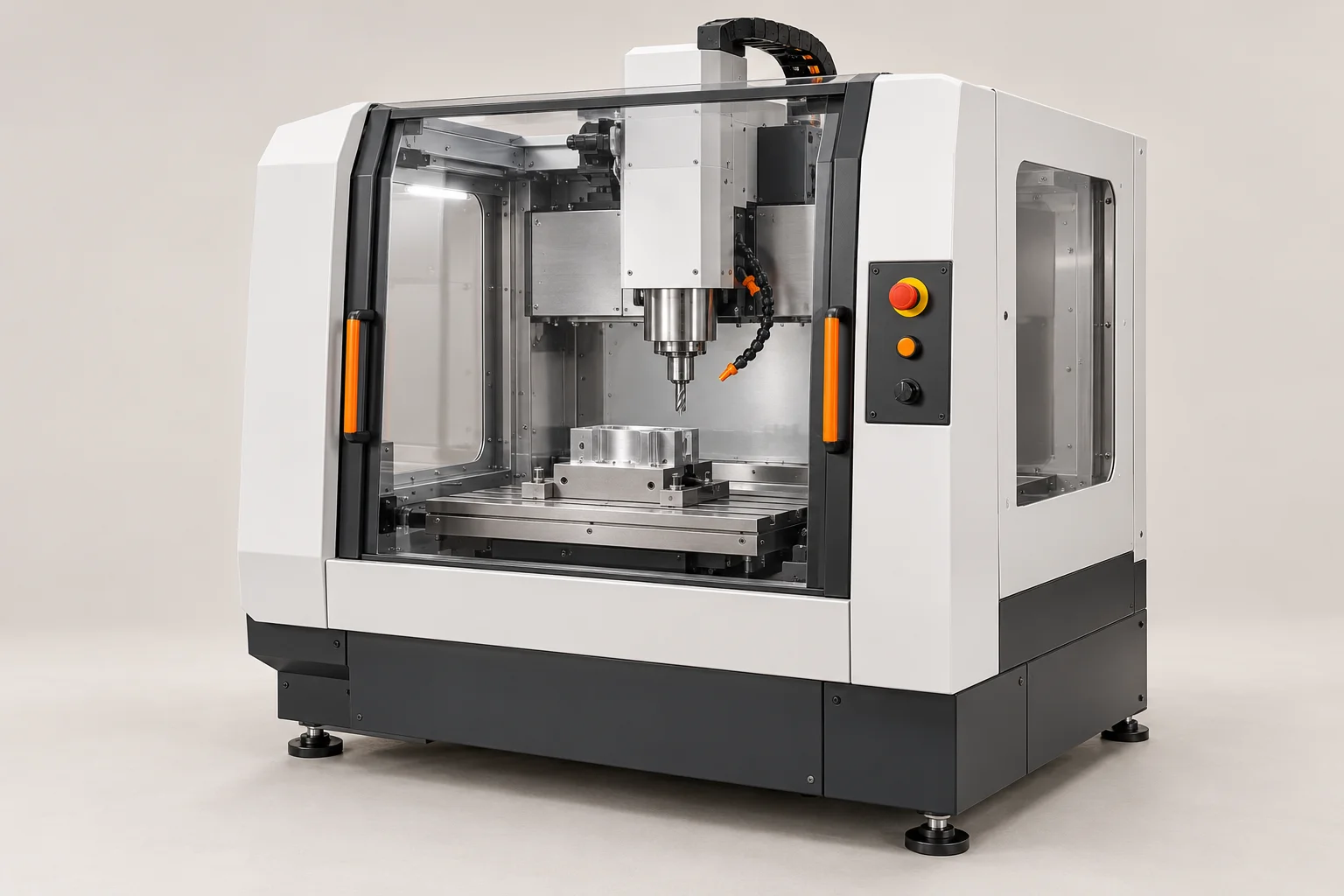
- 01 Enclosure
- 02 Controls
- 03 Work area
For machinery placed on the EU market before 20 January 2027.
Prepare for the transition. Selected provisions apply earlier.
01 / REFERENCE INDEX
Find the requirement.
Follow the reasoning.
EU machinery law: the working framework
Understand which machinery framework applies, what changes in 2027 and how to organise the evidence behind conformity.
Framework / Read reference§ 02Machinery scope and product definitions
Classify the product and check exclusions before applying a checklist or selecting a conformity-assessment procedure.
Scope / Read reference§ 03Machinery risk assessment: from hazard to evidence
Use risk assessment to inform design, then connect protective measures to verification and instructions.
Risk assessment / Read reference§ 04Machinery technical file: anatomy of the evidence
Organise the technical record around the actual product, its risk assessment and the evidence supporting applicable requirements.
Documentation / Read reference§ 05Machinery conformity assessment: choosing the route
Under the Regulation, Article 25 connects the product category and standards coverage to the available assessment procedures.
Conformity / Read reference§ 06Manufacturer, importer and distributor: who does what?
Map the legal role to the supply chain. Product branding, own use and modifications can change who carries manufacturer obligations.
Responsibilities / Read reference02 / SAFETY INTEGRATION
Reduce risk in
the right order.
Risk assessment should shape the design. A warning label is only one part of the safety record.
- Remove the hazard through design
Start with inherently safe design and construction. Consider intended use and reasonably foreseeable misuse.
- Apply safeguards and protective measures
Address risks that design alone cannot eliminate. Evaluate the complete protective system.
- Explain residual risk
Provide information, instructions and, where relevant, training or protective-equipment needs. Warnings do not replace feasible design measures.
Educational summary of safety integration. See Directive Annex I, section 1.1.2 and Regulation Annex III, section 1.1.2.
Work through risk assessmentIdentify the hazardous movement, energy and tasks. Include interventions outside normal production.
Illustrative only. No scale or prescribed safety distance.
03 / TECHNICAL DOCUMENTATION
A file that explains the machine.
Connect the product description, risk assessment and verification evidence. Keep the record aligned with the machinery actually supplied.
04 / CHANGE & TRANSITION
Know what changes.
Know when it applies.
Machinery Regulation: the 2027 transition
The general application date is 20 January 2027. Plan around the market event, not a blanket replacement of every existing machine.
Articles 51, 52 and 54REF / 08Substantial modification: review the change, not its label
The Regulation defines a specific physical or digital change test. “Retrofit” alone does not determine the legal outcome.
Article 3(16) and Article 18REF / 09CE marking and machinery declarations
A declaration identifies the responsible manufacturer and product. CE marking follows the applicable conformity work.
Articles 21–24; Annex VIndependent publication. Research reviewed 4 October 2026. Consult the official sources for the applicable text and updates.